Do I Need an Accountant for a Small Business in the UK?
Published on February 2, 2026
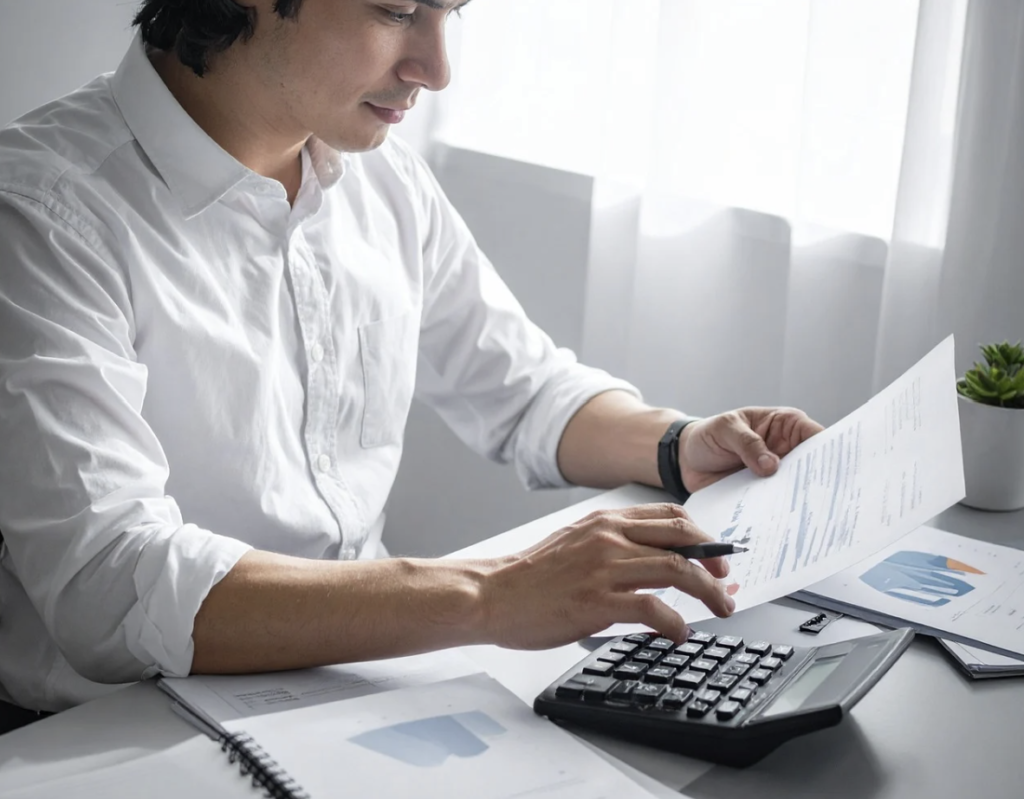
Starting a small business in the UK is exciting. But dealing with taxes and money matters can be confusing. Many new business owners ask: do I need an accountant for a small business in the UK?

The simple answer is no – you don’t have to hire an accountant by law. But getting help from an accountant can save you money and stop you from making costly mistakes.
In this guide, we will explain what accountants do, when you should hire one, and how they can help your business succeed.
What Does an Accountant Do for a Small Business?
A small business accountant UK does much more than just handle your taxes. They help keep your business money organized and legal.
Bookkeeping and keeping records means writing down all the money coming in and going out of your business. This helps you see clearly how your business is doing.
Self-Assessment tax returns are forms you must send to HMRC (the tax office) every year. An accountant fills these forms correctly and sends them on time. They also make sure you pay the right amount of tax – not too much and not too little.
Corporation tax is tax that limited companies must pay. Accountants work out how much your company owes and handle all the paperwork.
VAT registration and VAT returns are needed when your business makes more than £90,000 per year. VAT can be tricky to understand. An accountant makes sure you do it right.
Payroll and PAYE means paying your workers correctly and taking out the right tax from their wages. An accountant handles all of this.
HMRC compliance and meeting deadlines is very important. Missing deadlines or making mistakes can cost you penalty fees. An accountant makes sure everything is done on time and correctly.
Is an Accountant Legally Required in the UK?
No, the law does not say you must hire an accountant. Sole traders can do their own tax returns. Even limited company owners can do their own accounts if they want.
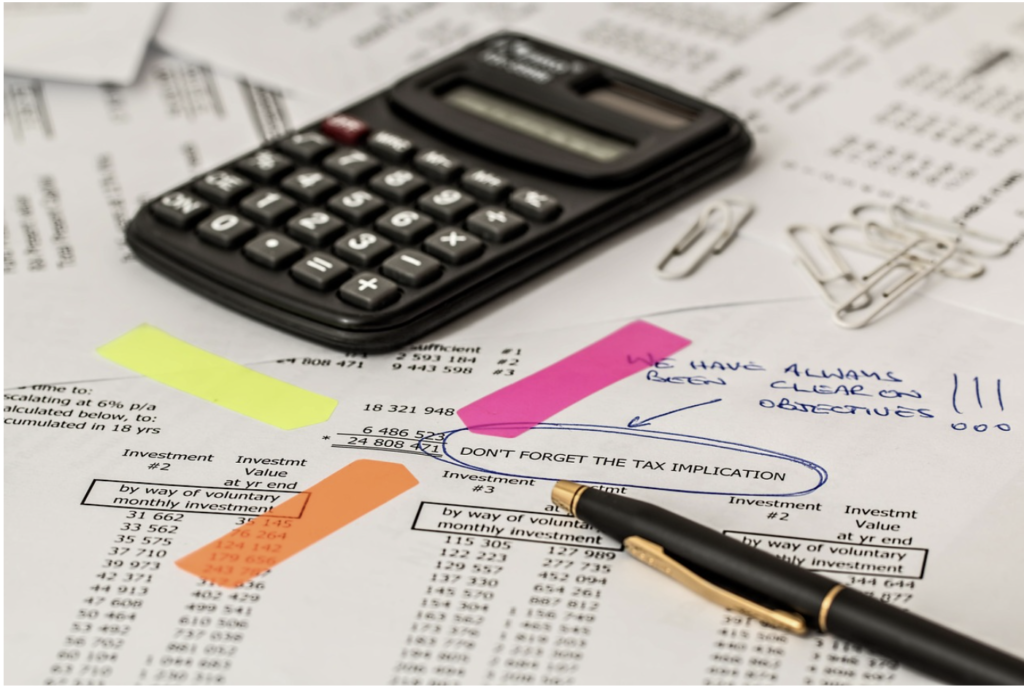
But HMRC rules are complicated and keep changing. What looks easy can quickly become difficult. Tax laws, what expenses you can claim, and filing rules are different depending on your business type.
The penalties for making mistakes or being late are expensive. HMRC charges at least £100 if your Self-Assessment is late. If you keep being late, the fees get bigger. Wrong tax returns can lead to more penalties and sometimes investigations.
You don’t have to hire an accountant, but the cost of mistakes is often much more than the cost of getting help.
When Should a Small Business Hire an Accountant?
Knowing when do you need an accountant UK depends on your situation. Here are the important times to think about getting help:
When you start making money from your business is a good time to talk to an accountant. Even if you just started, an accountant can help you set up your business the right way. This can save you lots of tax money over the years.
When you register as a sole trader or limited company, you need to make important choices. An accountant can tell you which business type is better for you and will save you more money on tax.
When you reach the VAT limit of £90,000 in sales, you must register for VAT. Managing VAT is complicated. Many businesses hire an accountant at this point.
When your business money gets complicated with different ways of making money, lots of expenses, or employees, doing accounts yourself becomes risky. This is when hiring an accountant for small business UK makes sense.
Do Sole Traders Need an Accountant?
As a sole trader, you can do your Self-Assessment tax return yourself using the HMRC website. Many sole traders with simple finances do this, especially in their first year.
But you might miss expenses you can claim and end up paying too much tax. HMRC lets sole traders claim many business costs against their tax, but knowing exactly what you can claim is not always clear.
Do sole traders need an accountant? Not by law, but accountants help you claim all the expenses you are allowed to claim. They know about things like home office costs, car expenses, and equipment costs that many sole traders forget about.
The tax money you save by claiming all your expenses often pays for the accountant’s fees. Plus, you know your tax return is correct.
Do Limited Companies Need an Accountant?
For limited companies, the accounting work is much harder than for sole traders. You can do it yourself, but very few company owners do this successfully without accounting training.
Corporation tax calculations are complicated with lots of rules and rates that change often. Limited companies must work out and pay Corporation tax on their profits. Getting this wrong can be very expensive.
Annual accounts and Companies House filings are required by law for all limited companies. These must be done in a special way and sent by strict deadlines. Being late leads to automatic penalty fees starting at £150.
Director salary and dividends planning needs careful thinking. The best way to take money out of your company is by mixing salary (which has tax and National Insurance) and dividends (which are taxed differently). An accountant for limited company UK businesses can work out the best mix, saving you thousands of pounds in tax each year.
For limited companies, hiring an accountant is not just a good idea – it’s almost essential unless you know accounting yourself.
Benefits of Hiring an Accountant for Small Businesses?

The benefits of hiring an accountant go beyond just following tax rules.
- Save time and reduce stress by letting someone else handle complicated money tasks. Time spent fighting with accounting software is time you’re not spending growing your business or helping customers. Accountants do the financial work quickly, so you can focus on what you’re good at.
- Pay less tax legally through proper planning and claiming all expenses. Accountants know all the latest tax rules and ways to reduce your tax bill legally.
- Avoid HMRC penalties by making sure everything is correct and sent on time. The peace of mind alone is worth it, knowing your tax is sorted and you won’t get surprise penalty fees.
- Get expert money advice to help you make better business decisions. Accountants give you helpful information about your business money, helping you understand if you’re making profit and if your business is healthy. They can advise you about growing your business and planning for the future.
DIY Accounting vs Hiring an Accountant
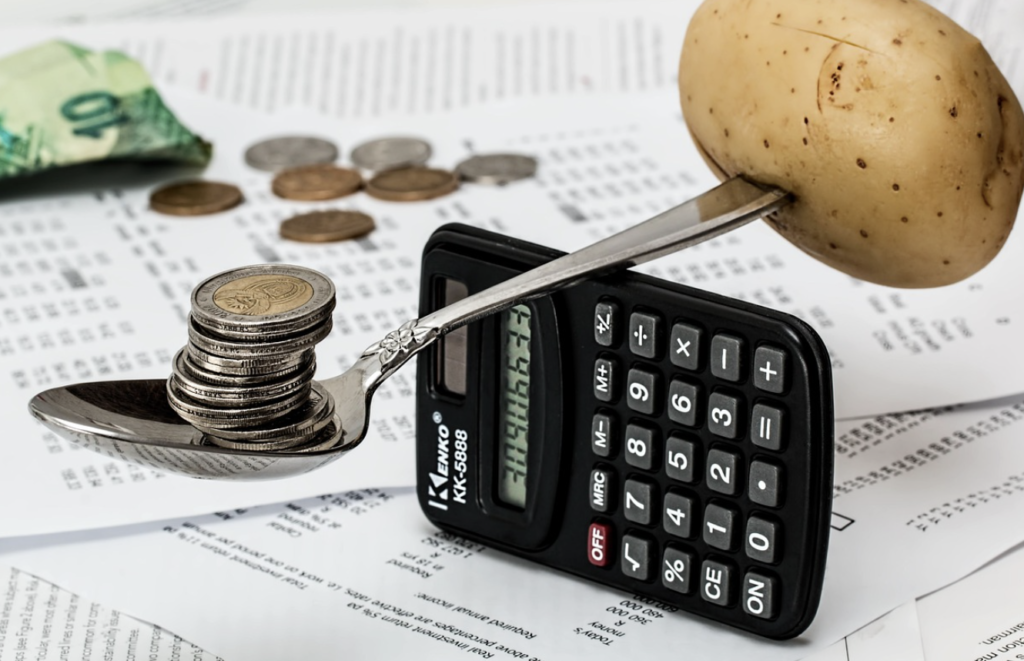
With lots of accounting software available, many small business owners wonder if they can do accounting themselves.
Good things about DIY accounting include lower costs at first and full control over your money. Modern accounting software like QuickBooks, Xero, or FreeAgent has made bookkeeping easier with simple screens and automatic features.
Bad things about DIY accounting are the risk of expensive mistakes. Without accounting knowledge, it’s easy to put expenses in the wrong category, miss tax-saving chances, or make errors that bring HMRC investigations. Learning and using accounting software takes a lot of time, especially as your business grows.
Accountants make sure everything is accurate and legal while also giving you advice that software alone cannot give. Many accountants now use cloud accounting software, giving you the best of both: modern technology plus expert knowledge.
The truth is that DIY accounting vs accountant is not an all-or-nothing choice. Many businesses use accounting software for daily bookkeeping while using an accountant for tax returns, year-end accounts, and money advice.
How Much Does a Small Business Accountant Cost in the UK?
Accountant fees are different depending on your business type, how complicated it is, and what services you need.
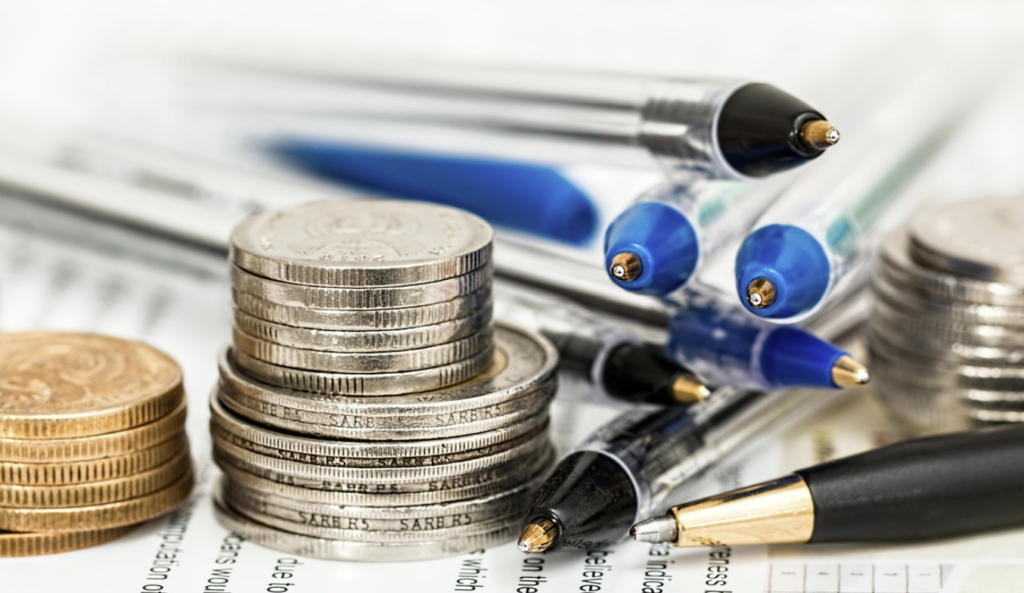
Monthly vs yearly fees are the two main ways accountants charge. Some charge fixed monthly fees (usually £50-£300 for small businesses) that cover all services during the year. Others charge yearly fees for specific jobs like tax returns (£150-£500 for sole traders, £500-£2,000+ for limited companies).
Online accountants vs local accountants often charge different prices. Online accountants usually charge less because they have lower costs. Local accountants may charge more but give you face-to-face meetings and more personal service.
Value vs cost is very important. A £500 yearly accounting fee that saves you £1,500 in tax and stops a £200 HMRC penalty is excellent value. The cheapest option is not always the best choice, especially when you think about tax savings and peace of mind.
At Scottish Accountancy, we offer clear, fair prices that fit your business needs. You get professional accounting help without spending too much money.
Is an Online Accountant a Good Option?
Online accountants have become very popular, especially for startups and small businesses looking for affordable help.

Affordable for startups – online accountants usually charge 30-50% less than traditional high-street firms. This makes professional accounting possible even for new businesses.
Cloud accounting benefits include seeing your money data anytime from anywhere, automatic bank links that reduce manual work, and digital teamwork with your accountant. Modern cloud systems make working with an online accountant UK easy and efficient.
Remote support across the UK means you’re not limited to accountants near you. You can work with experts who understand your type of business, no matter where they are. Video calls and secure document sharing make remote accounting just as good as traditional face-to-face meetings.
Scottish Accountancy gives you the cost benefits and convenience of online accounting with the personal service you expect. Whether you’re in Glasgow, Edinburgh, Aberdeen, or anywhere in Scotland and the UK, we give you complete accounting support made for your business.
Frequently Asked Questions
Do I need an accountant if I use accounting software?
Accounting software is great for daily bookkeeping, but it doesn’t replace expert knowledge. Software records money transactions, but an accountant makes sure they’re put in the right categories, helps you pay less tax, and handles complicated filings like tax returns and company accounts. Many businesses find the best way is to use software for bookkeeping plus an accountant for tax and legal compliance.
Can an accountant help reduce my tax bill?
Yes, definitely. Accountants find legal tax-saving opportunities you might miss, including expenses you forgot about, tax breaks for your type of business, the best salary-dividend mix for limited companies, and good timing for buying equipment. The tax money saved often exceeds the accountant’s fees, making professional accounting a smart investment rather than just a cost.
What happens if I make a mistake with HMRC?
Mistakes on tax returns can lead to penalty fees, extra charges on unpaid tax, and possibly HMRC investigations. Small errors might cost you £100 or more in penalties, while big or repeated mistakes can lead to much larger fines and detailed checks of your affairs. Having an accountant reduces this risk a lot because they make sure everything is accurate and legal from the start.
Is an accountant tax-deductible in the UK?
Yes, accountant fees are allowed business expenses for both sole traders and limited companies. You can take these costs away from your taxable profits, which reduces the actual cost of professional accounting services. This makes hiring an accountant even more affordable because the tax relief lowers what you really pay.
When should a startup hire their first accountant?
The best time is before you start trading or during your first year of business. Early help lets accountants advise you on business structure, set up proper bookkeeping systems, and make sure you’re claiming all allowed expenses from day one. However, it’s never too late to get professional help, even if you’ve been in business for several years.
How do I choose the right accountant for my small business?
Look for an accountant with experience in your type of business, clear pricing, and modern technology. Check their qualifications (ACCA, ACA, or CIMA), read what other clients say, and make sure they offer the specific services you need. At Scottish Accountancy, we give you clear prices, industry knowledge, and personal service for small businesses across Scotland and the UK.
Do I need an accountant in Glasgow for my small business?
You don’t need an accountant in your exact location. Choosing a Glasgow accountant means you can meet face-to-face if needed. They understand Scottish business regulations. Our online services also support businesses across the UK with the same expert care.
Final Verdict: Is an Accountant Worth It for Small Businesses?
So, is an accountant worth it UK? For most small businesses, the answer is definitely yes.
Best choice for growing businesses includes getting professional accounting help. As you make more money, your tax gets more complicated, and money administration takes more time. An accountant grows with your business, giving you better support as you expand.
Peace of mind and long-term savings come from knowing your tax is handled correctly. Reducing stress has real value, letting you sleep well knowing you’re following HMRC rules and using all available tax savings.
Professional support as you grow means having a trusted money advisor who understands your business and can guide you through growth challenges, from hiring your first worker to expanding into new areas.
While you can manage without an accountant, the combination of time savings, tax efficiency, risk reduction, and expert advice makes hiring an accountant for small business UK one of the smartest investments you can make.
Ready to take control of your business money? Contact Scottish Accountancy today for a free consultation.
📍 Visit us at: 176 Allison Street, Glasgow, United Kingdom
📞 Phone: +44 141 237 9960
💬 WhatsApp: +44 7385 883967
📧 Email: info@scottishaccountancyservices.co.uk
🌐 Official Website: scottishaccountancyservices.co.uk
Let us show you how professional accounting support can save you money, reduce stress, and help your business grow. Get in touch now to discuss your accounting needs.